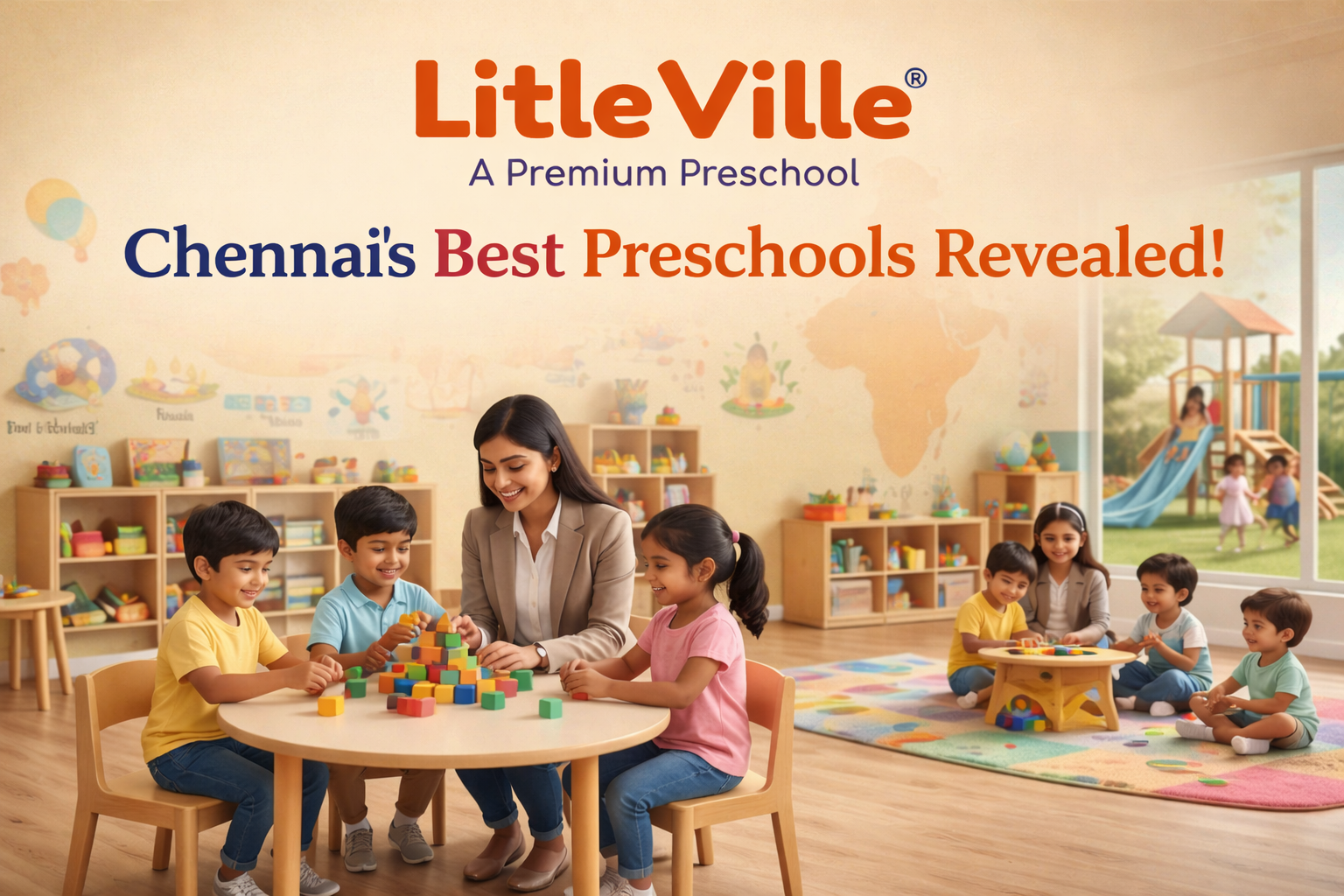
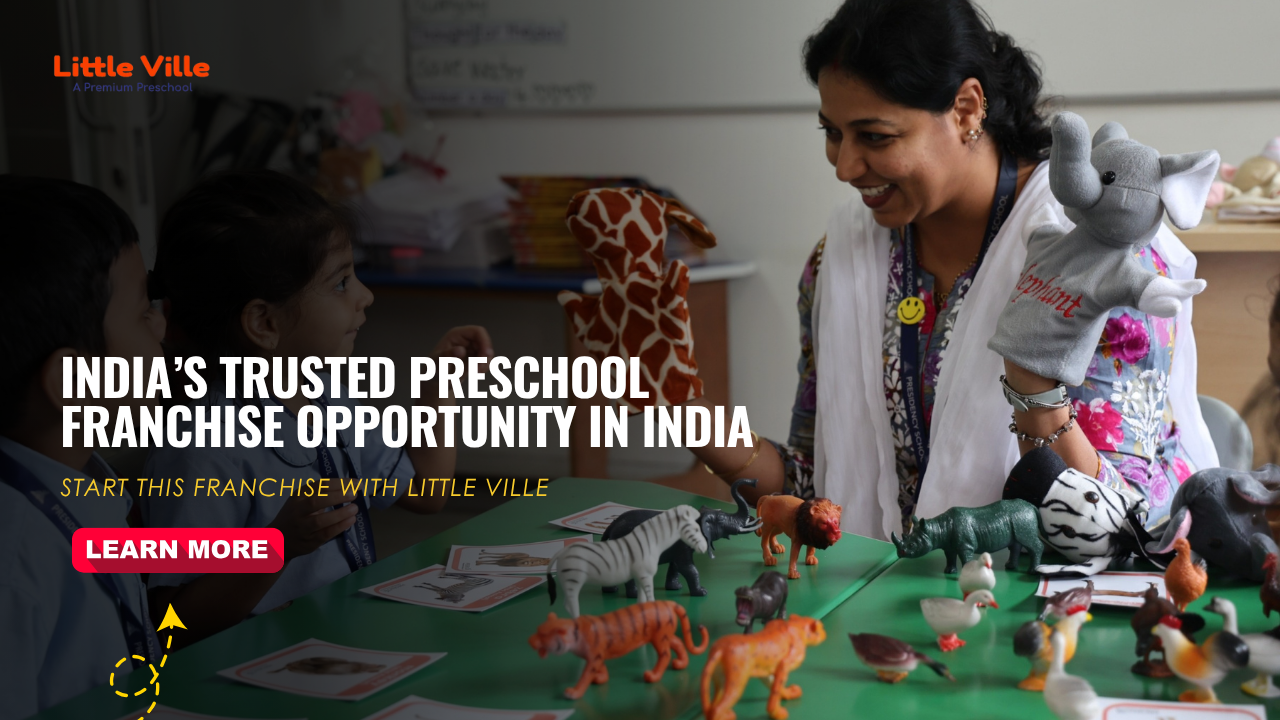
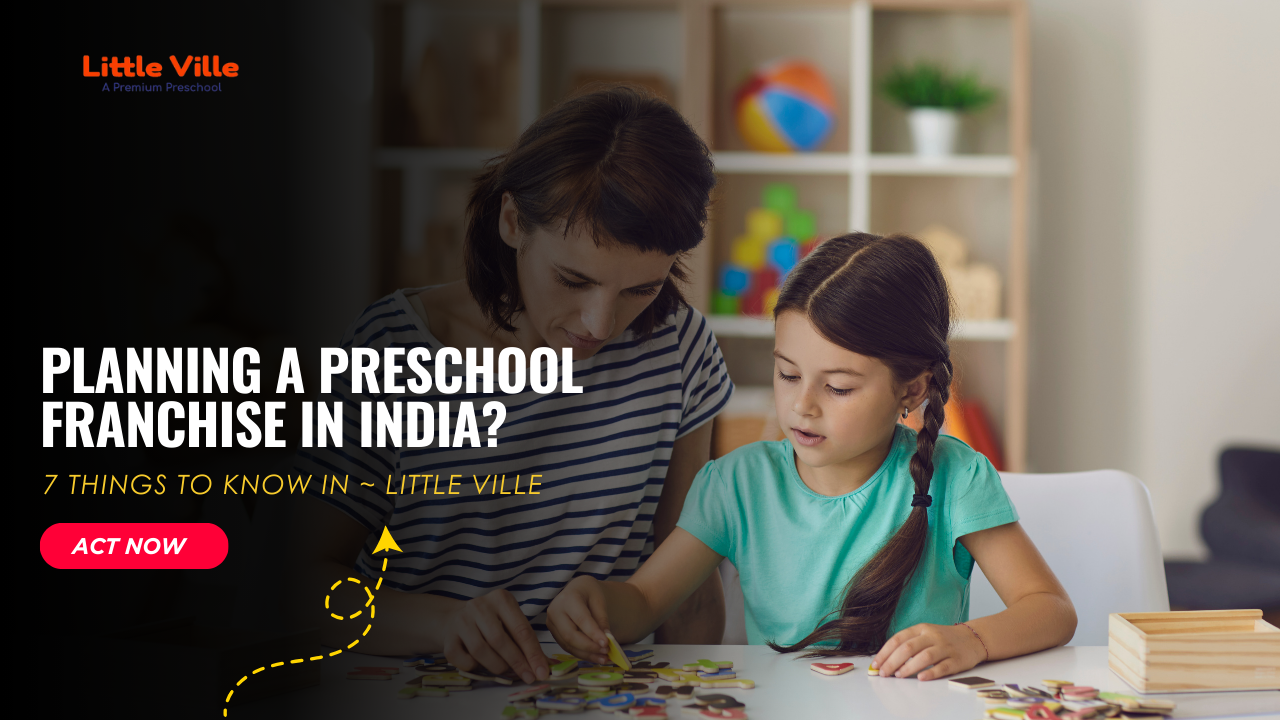
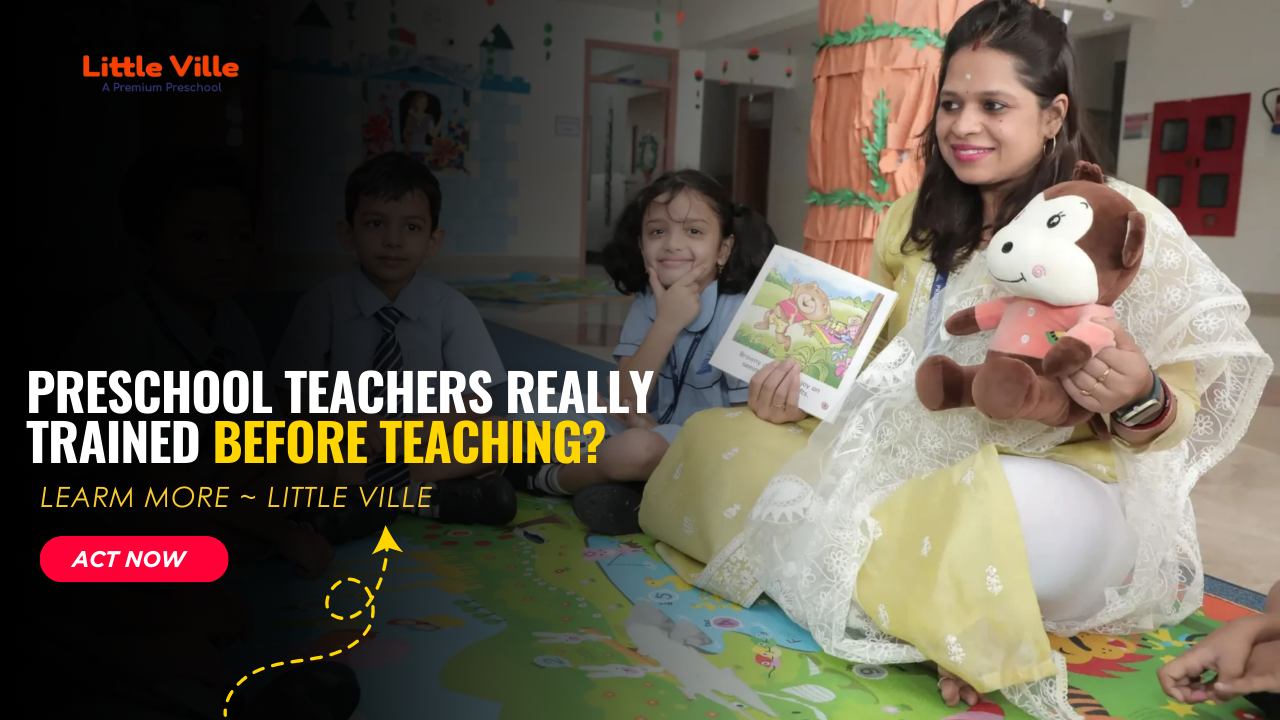
Choosing the right Top rated preschool in India is one of the most important decisions parents make in a child’s early years. Between the ages of 2 and 6, a child’s brain grows rapidly, learning habits are formed, and emotional foundations are built. This is why early childhood education matters more than ever in 2026. Parents today are not just looking for a place where children are supervised; they want a preschool that supports learning, safety, emotional growth, and overall development. Little Ville has earned recognition as one of the top-rated preschools for early development in India by focusing on what truly matters for young children. Its approach is simple, child-friendly, and designed around how children naturally learn and grow. What Does “Early Development” Mean in Preschool Education? Early development refers to how children grow in multiple areas during their preschool years. This includes cognitive skills like thinking and problem-solving, language and communication skills, social and emotional development, physical movement, and early creativity. A quality preschool supports all these areas together. Instead of pushing formal academics too early, it creates an environment where children feel safe, curious, and confident. This balanced approach helps children develop a strong foundation for future learning. What Makes a Preschool Top-Rated in India? A top-rated preschool is not defined by marketing claims alone. Parents across India look for clear indicators before trusting a preschool with their child. These include trained teachers, a safe and hygienic environment, a structured yet flexible curriculum, positive parent feedback, and a focus on child well-being. Little Ville meets these expectations by combining care, learning, and structure in a way that suits young learners. Every element, from classroom design to daily activities, is planned with early childhood development in mind. How Little Ville Supports Early Childhood Development Little Ville follows a child-first approach that respects each child’s pace of learning. The focus is not on pressure or competition, but on growth and confidence. Play-Based Learning Approach Children learn best through play. At Little Ville, play-based learning is at the center of the preschool experience. Activities like storytelling, music, role play, puzzles, and hands-on games help children understand concepts naturally. This approach improves attention, memory, and creativity while keeping learning enjoyable. Language and Communication Skills Strong communication skills begin in preschool. Little Ville encourages children to express themselves through conversations, rhymes, songs, and group activities. This helps children build vocabulary, listening skills, and confidence in speaking. Social and Emotional Development Preschool is often a child’s first experience in a group setting. Little Ville helps children learn how to share, cooperate, express emotions, and build friendships. Teachers guide children gently, helping them understand feelings and develop empathy. Physical Development and Movement Movement is essential for healthy growth. Daily activities at Little Ville include indoor and outdoor play that supports balance, coordination, and motor skills. These activities also help children release energy and stay active in a safe environment. Qualified and Caring Educators Teachers play a major role in early childhood education. At Little Ville, educators are trained to understand child behavior, learning patterns, and emotional needs. They create a warm and welcoming classroom where children feel comfortable asking questions and trying new things. Rather than following a rigid teaching style, teachers observe each child and provide support based on individual needs. This personalized attention helps children build confidence and a positive attitude toward learning. Safe and Child-Friendly Preschool Environment Safety is a top concern for parents when choosing a preschool. Little Ville maintains a clean, secure, and child-friendly environment. Classrooms are designed to be bright, comfortable, and easy for children to move around. Hygiene practices, safety measures, and age-appropriate furniture ensure that children can explore and learn without risk. A safe environment allows children to focus on learning and play without fear or stress. Age-Appropriate Curriculum for Children Aged 2 to 6 Little Ville offers programs that match the developmental needs of different age groups. Activities are planned according to the child’s stage of growth, ensuring that learning feels natural and not overwhelming. The curriculum supports early literacy, numeracy awareness, creativity, and life skills. This prepares children for a smooth transition into formal schooling while keeping childhood joyful and balanced. Why Parents Across India Trust Little Ville Parent trust is built through consistency, transparency, and results. Families choose Little Ville because they see positive changes in their children. Improved confidence, better communication, social comfort, and a love for learning are common outcomes shared by parents. Regular communication between teachers and parents also plays a key role. Parents stay informed about their child’s progress, daily activities, and developmental milestones. Preparing Children for the Future, Not Just School Early childhood education is about more than academics. Little Ville focuses on preparing children for life by helping them become curious learners, kind individuals, and confident thinkers. These skills support long-term success, both inside and outside the classroom. By nurturing independence and self-expression early, children develop a strong foundation that supports them through primary school and beyond. Is Little Ville the Right Preschool for Your Child? Every child is unique, and the right preschool should respect that individuality. Little Ville provides a supportive environment where children are encouraged to grow at their own pace. Its focus on early development, safety, and play-based learning makes it a strong choice for parents looking for quality preschool education in India. Choosing Little Ville means choosing a preschool that values childhood, supports development, and builds a positive learning journey from the very beginning. Frequently Asked Questions 1. What age group does Little Ville preschool cater to? Little Ville offers preschool programs for children aged 2 to 6 years, with age-appropriate activities designed for each developmental stage. 2. Why is play-based learning important in preschool? Play-based learning helps children understand concepts naturally while improving creativity, social skills, and problem-solving without academic pressure. 3. How does Little Ville ensure child safety? Little Ville maintains a clean, secure environment with safety measures, child-friendly classrooms, and trained staff focused on children’s well-being. 4. Does