Zero-Royalty Preschool Franchise Explained (2026): What You Save and What to Check
Royalty is the fee most preschool franchise brochures mention last, if they mention it at all. Yet over five years it can cost you more than setting up the whole centre.
In our illustrative model centre, a 12% royalty adds up to about ₹24.3 lakh over five years. The setup itself costs ₹18 lakh.
That is why "zero royalty" sounds so attractive. This guide explains how royalty works, what removing it does to your payback and break-even, and the honest catch: a zero-royalty franchise can still charge recurring fees under other names. It ends with a checklist to use before you sign.
How we worked out the numbers. One illustrative model centre: Tier-2 city, about 2,500 sq ft, ₹18 lakh setup (including franchise fee and rent deposit) plus ₹4–5 lakh working capital, an average realised fee of ₹4,500 per child per month, and enrolment growing from 35 children in Year 1 to 100 in Year 5 (our expected case). It excludes owner salary, tax and loan interest. Your numbers will differ; the comparison is what matters.
What is a zero-royalty preschool franchise?
A zero-royalty preschool franchise is one where you pay the brand an upfront fee to open, but no ongoing share of your monthly fee income. You keep all your tuition revenue after running costs. Most franchises charge royalty for the full agreement term, so removing it changes your long-term returns.
It is also called a royalty-free preschool franchise, or a preschool franchise without royalty.
In a standard franchise you pay twice: once to join (the franchise fee), then every month for as long as you run the centre (the royalty). A zero-royalty model drops the second payment. The franchisor still earns money in other ways, and that is where you need to read carefully.
How do preschool franchise royalties normally work?
Most preschool brands charge royalty as a percentage of fee revenue, usually collected monthly. Some charge a fixed amount per enrolled child, and a few charge a flat monthly fee. Most brands do not list royalty on their franchise pages and share it only during evaluation.
Here is what third-party listings reported in October 2026:
- Kidzee does not publish a royalty figure on its franchise page; third-party franchise sites cite 10–15%.
- Podar Jumbo Kids is reported at around 20%.
- A FranchiseBazar comparison of top preschool brands lists royalty from "Low" up to 20%.
So play school franchise royalty runs from 0% to about 20%. Not publishing it upfront is normal in this industry, which is why you should ask early. Here is how each model behaves in our model centre:
| Royalty model | How it's charged | Equivalent in our model centre | What it means for you |
|---|---|---|---|
| Percentage of revenue | A share of fee income, often 10–20% | 12% is about ₹540 per child per month | Rises as you grow. You pay more in good years, less in lean ones |
| Fixed per child | A set rupee amount for each enrolled child | ₹540 per child per month would match 12% | Predictable, but you may pay on discounted or unpaid seats |
| Fixed monthly | A flat amount, whatever your enrolment | About ₹40,500 a month matches 12% over 5 years | Hardest in Year 1: about ₹4.9 lakh, against ₹2.2 lakh on a percentage |
| Zero royalty | No ongoing share of revenue | ₹0 | Check what other recurring fees replace it |
Note the fixed-monthly row: same five-year cost, but it takes the most money when your classrooms are still half empty.
How much does royalty cost you over 5 years?
In our expected case, a 12% royalty costs ₹24.3 lakh over five years. That is more than the ₹18 lakh you spend setting up the centre. It starts small, about ₹2.2 lakh in Year 1, and grows with enrolment to about ₹6.4 lakh a year by Year 5.
| Expected case (₹ lakh) | Year 1 | Year 2 | Year 3 | Year 4 | Year 5 | 5-year total |
|---|---|---|---|---|---|---|
| Average children enrolled | 35 | 65 | 85 | 95 | 100 | |
| Fee revenue | 18.6 | 34.4 | 45.2 | 51.0 | 53.7 | 202.9 |
| Royalty at 12% | 2.2 | 4.1 | 5.4 | 6.1 | 6.4 | 24.3 |
By Year 5 the royalty is about ₹53,000 a month, nearly as much as your rent. In our best case the 5-year total reaches ₹27.9 lakh; in the worst case, ₹16.0 lakh. So setup cost alone is the wrong number to compare brands on. For the full line-item picture, see our preschool franchise cost breakdown for 2026.
What does zero royalty do to your 5-year returns?
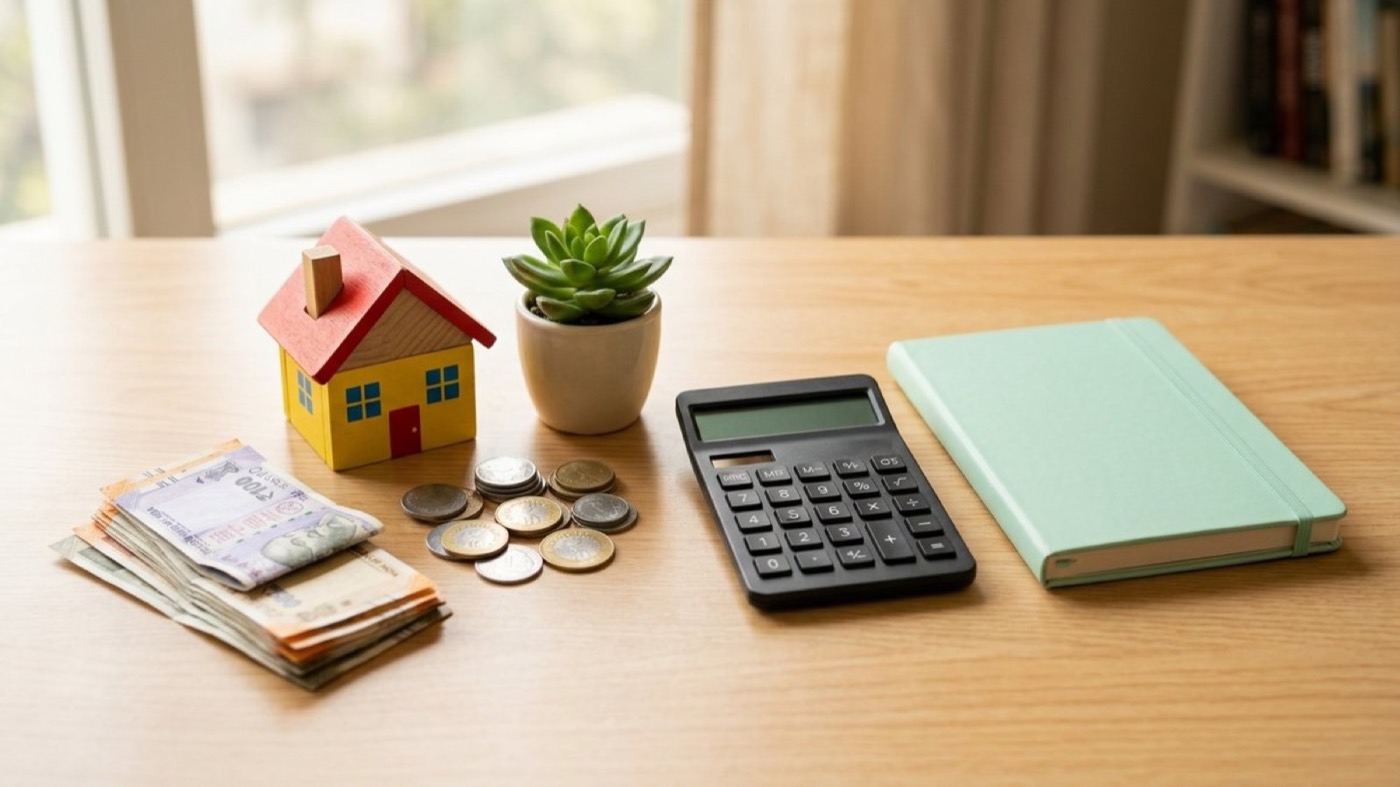
In our expected case, zero royalty brings payback forward from month 48 to month 36, and lifts your net position after five years from about ₹14 lakh to about ₹38 lakh. You also need fewer children to break even each month: about 41 in Year 1 instead of 47.
| Expected case | Zero royalty | 12% royalty |
|---|---|---|
| First profitable month | Month 9 | Month 12 |
| ₹18 lakh setup recovered (payback) | Month 36 | Month 48 |
| Break-even enrolment, Year 1 | About 41 children | About 47 children |
| Break-even enrolment, Year 5 | About 64 children | About 72 children |
| Operating margin in Year 5 | About 36% | About 24% |
| 5-year operating profit | ₹56.1 lakh | ₹31.8 lakh |
| Net position after 5 years (after recovering setup) | +₹38 lakh | +₹14 lakh |
First, break-even enrolment. With a 12% royalty, each child brings in ₹3,960 a month instead of ₹4,500, so you need about six more children to cover costs in Year 1 and eight more by Year 5. For a new centre, six children can separate a nervous first year from a steady one.
Second, the gap between "break-even" and "payback". Your first profitable month (month 9 at zero royalty) is not the month you get your ₹18 lakh back (month 36). Many brochures quote the first. Investors need the second. We explain the difference in detail in is a preschool franchise profitable?
If there's no royalty, how does the franchisor make money?
A zero-royalty franchisor usually earns from the upfront franchise fee, from selling curriculum kits and learning materials to its centres, and from scale: many centres each paying to join. Some also run their own centres or bill separately for services such as software or marketing. None of this is wrong, but you should know which applies.
- Upfront franchise fee. Often higher than at a royalty brand, because it carries more of the franchisor's income.
- Kits and materials. Books, activity kits and teaching aids bought from the brand, usually per child, every year.
- Scale. A growing network means more joining fees and more kit orders.
A brand that earns on kits does better when your enrolment grows, which keeps its interests close to yours. That is a fair model, as long as the prices are fair and disclosed upfront.
What hidden fees can a "zero royalty" franchise still charge?
A zero-royalty franchise can still charge a marketing or brand-fund levy, mandatory kit purchases at a markup, software or app fees, renewal fees at the end of the term, and a higher upfront fee. Each looks small on its own. Together they can add up to a large share of what a royalty would have cost.
- Marketing or brand fund. A percentage of revenue or a fixed monthly amount. A 5% fund is a 5% royalty under another name.
- Mandatory purchases. Kits, books, uniforms and stationery you must buy from HQ, sometimes above market price.
- Software and app fees. Monthly charges for the admissions app, CRM or school software.
- Renewal fee. Agreements often run five years. Ask what renewal costs and whether terms can change then.
- Training, transfer and exit fees. Charges for training replacement teachers, or for selling or leaving the centre.
What example fees would cost in our model centre (illustrations, not any brand's actual terms):
| If a "zero-royalty" brand charges... | 5-year cost (expected case) |
|---|---|
| A 2% marketing fund | About ₹4.1 lakh |
| A 5% marketing fund | About ₹10.1 lakh |
| ₹5,000 a month for software | ₹3 lakh |
| ₹1,000 margin per child per year on mandatory kits | About ₹3.8 lakh |
The last three rows together come to about ₹16.9 lakh, roughly 70% of what a 12% royalty would cost. The label said zero. The total did not.
What questions should you ask before you sign?
Ask every franchisor, zero-royalty or not, for a written list of all recurring fees, and check it against the agreement. These ten questions cover the usual gaps:
- Is the royalty 0% for the full agreement term, and does the agreement say so in writing?
- Is there a marketing or brand fund? How much, and how is spending reported?
- Which items must I buy from you? What is the price per child, and can it rise mid-term?
- Are there software, app or CRM fees? Monthly, per child, or included?
- What does renewal cost, and can a royalty or any new fee be added at renewal?
- What exactly does the upfront franchise fee cover?
- Do parents pay any fees to HQ directly, and does HQ keep a share?
- Are there charges for training new teachers after launch?
- What does it cost to transfer, sell or exit the franchise?
- Can I speak to three franchisees I choose, not ones you pick for me?
Is zero royalty always the better deal?
No. Zero royalty helps only if the brand also helps you fill your classrooms, because enrolment drives returns far more than royalty does. In our model, a strong brand charging 12% that gets you to best-case enrolment finishes the five years slightly ahead of a zero-royalty centre with expected enrolment.
| Scenario (our model centre) | Net position after 5 years |
|---|---|
| 12% royalty, best-case enrolment | +₹40 lakh |
| Zero royalty, expected enrolment | +₹38 lakh |
| 12% royalty, expected enrolment | +₹14 lakh |
| Zero royalty, worst-case enrolment | −₹31 lakh |
The last row is the one to remember. A zero-royalty centre in the wrong location, or behind a brand parents do not know, can still lose money.
So weigh zero royalty against what you actually get: admissions support that brings parents in, solid teacher training, and a name your neighbourhood recognises. Zero royalty is a real advantage when those are in place, not a substitute for them.
How does Little Ville's zero-royalty model work?
Little Ville runs a zero-royalty franchise model: franchisees pay no ongoing share of their fee revenue. The investment is ₹15–25 lakh depending on city and size, for a ground-floor centre of 2,000–3,500 sq ft carpet area, ideally with outdoor play space.
Support listed on the franchise page:
- Centre design and layouts
- Teacher training and certification
- IGNITE™ curriculum, NCF-aligned and built in-house
- Proprietary kits and learning materials
- An admission app with a CRM dashboard
- Digital admission marketing run centrally by HQ
Little Ville quotes an average break-even of 18–24 months. Ask whether that means the first profitable month or full recovery of your investment. In our illustrative model, those two points are 27 months apart.
The same checklist applies to us. Little Ville supplies proprietary kits, so ask for the kit price per child and how it is reviewed each year, plus any marketing contribution, software charges and renewal terms. A confident zero-royalty brand should put that list in writing without hesitation.
Little Ville has run preschools since 2008 from its Bengaluru headquarters, and its franchise team aims to reply within 24 hours.
Zero-royalty preschool franchise: FAQs
Is there a preschool franchise with zero royalty in India?+
Yes. A few Indian preschool brands, including Little Ville, offer a zero-royalty model where you pay an upfront fee but no ongoing share of fee revenue. Always confirm in the agreement that the royalty is 0% for the full term, and ask for a list of any other recurring fees.
What is the royalty fee for a preschool franchise?+
Most preschool brands charge a percentage of fee revenue. Third-party listings in October 2026 report figures from about 10% to 20%, and most brands share their exact rate only during evaluation. In our illustrative model centre, a 12% royalty costs about ₹24.3 lakh over five years.
What is the difference between a franchise fee and a royalty?+
The franchise fee is a one-time payment to join the brand, usually counted in your setup cost. Royalty is a recurring payment, usually monthly, for the length of the agreement. Over five years, royalty often costs far more than the franchise fee.
Does zero royalty mean no ongoing fees at all?+
Not always. A zero-royalty franchise can still charge a marketing fund, software fees or renewal fees, or require you to buy kits and materials from HQ. Ask for every recurring fee in writing before you sign.
How many students does a preschool need to break even?+
In our illustrative model centre, about 41 children in Year 1 with zero royalty, against about 47 with a 12% royalty. The number rises as rent and staff costs grow: by Year 5 it is about 64 against 72.
Is a zero-royalty preschool franchise more profitable?+
It can be. In our expected case, zero royalty lifts the net position after five years from about ₹14 lakh to ₹38 lakh and brings payback forward by a year. But enrolment matters more than royalty: a well-supported brand charging royalty can outperform a zero-royalty brand that struggles to fill seats.
Ready to own a Little Ville preschool?
Zero royalty, full setup support, and the proven IGNITE™ curriculum. Explore how our 200+ franchise partners built profitable preschools.
Explore the FranchiseRelated Articles


Edfact Learning Systems Private Limited
406, 8th E Main Rd, HRBR Layout 1st Block, HRBR Layout, Kalyan Nagar, Bengaluru, Karnataka 560043
Admissions: +91 98456 71555 | info@edfact.co.in